Winter prep that pays off
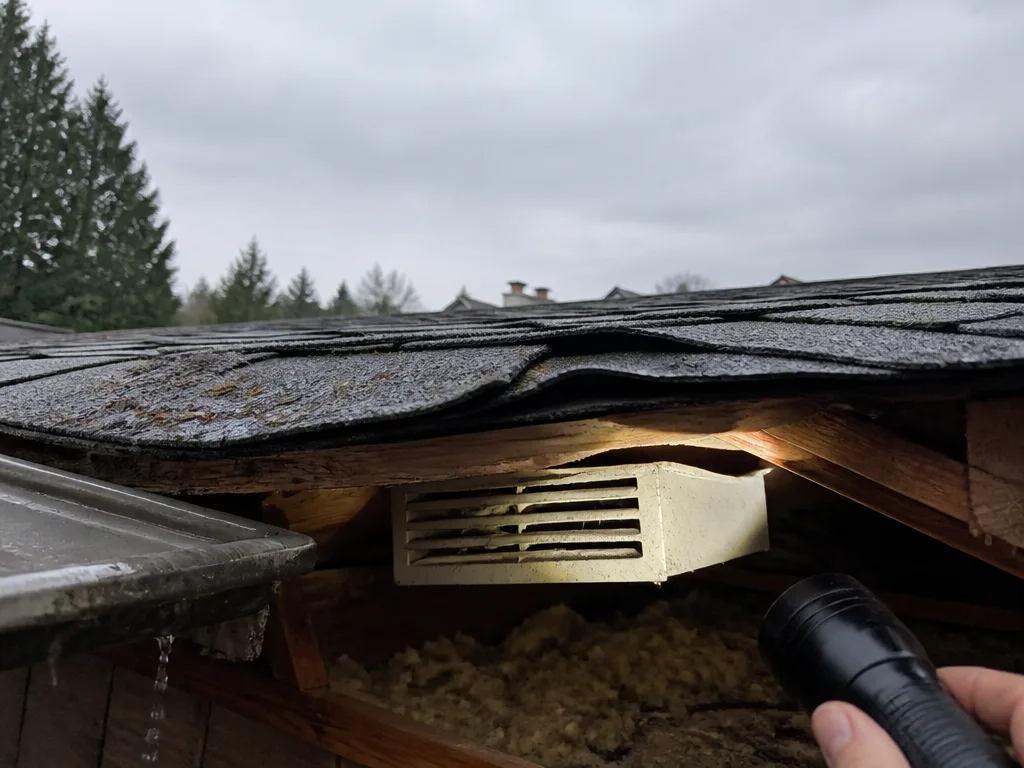
Winter can be rough on a roof. Start with a full inspection before the first big cold snap. Check for missing or damaged shingles, damaged flashing, and clogged gutters. Clean gutters to prevent ice dams and ensure proper drainage. If your attic feels humid, improve ventilation to minimize condensation that can accelerate rot.
In Washington, a well-sealed attic is a main line of defense. A roofer can verify insulation levels and seal any gaps around vents or chimneys. This helps keep heat inside the living space and moisture out of the roof deck.
Spring and after-storm checks
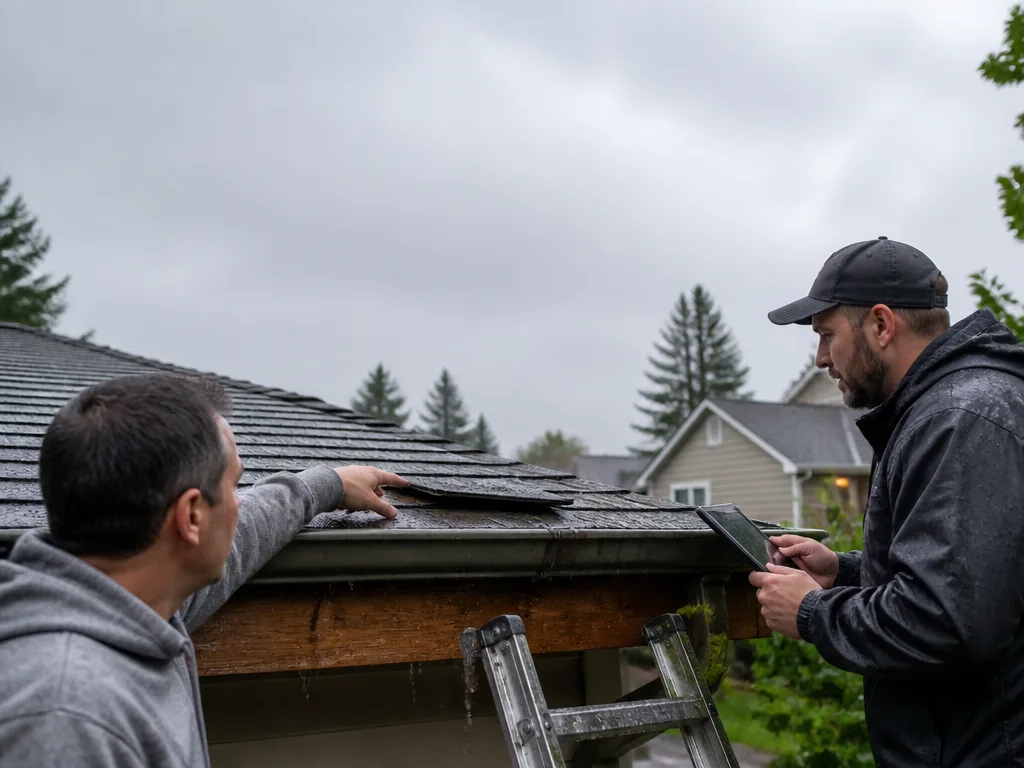
Spring brings more wind and rain, so a post-winter assessment is smart. Look for loose shingles, lifted flashing from storms, and any new signs of leaks after heavy rain. A professional inspection can catch issues caused by wind uplift or hail that might not be obvious from the ground.
After storms, Washington crews commonly see minor shingles displaced or granule loss at roof edges. A quick tune-up from a roofer can restore waterproofing and extend the life of the roof system.
Summer maintenance and prevention
Summer heat can dry out underlayment and affect ventilation. Schedule a mid-year check to ensure attic ventilation is adequate and that soffit vents are clear. Keep an eye on trees overhanging the roof; branches can rub and damage shingles during windy days. If you notice missing granules or curling shingles, plan a repair before the next fall rains arrive.
Washington-wide approach
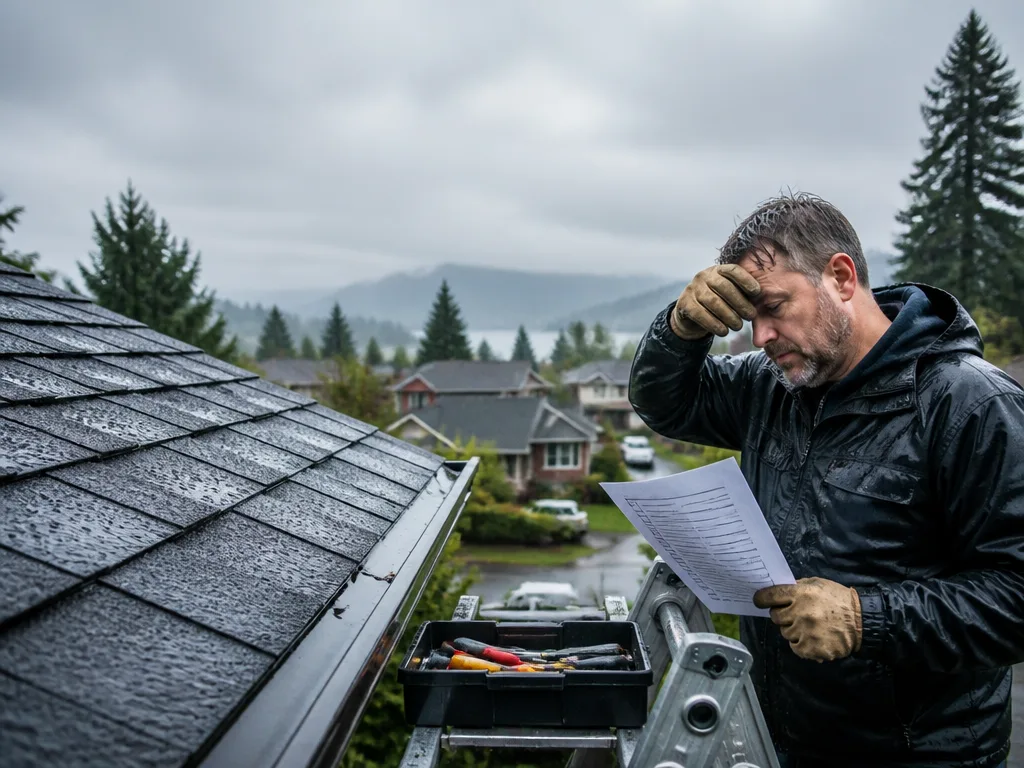
Across Washington, a steady maintenance routine reduces the chance of major repairs. The goal is a roof that sheds water quickly, keeps out moisture, and protects the home’s structure. Washington Rain Chain Installation can tailor a seasonal checklist and coordination plan with your calendar in mind, so you stay ahead of weather shifts rather than chasing problems.